
LATEST NEWS
Raw Food – Know the Risk
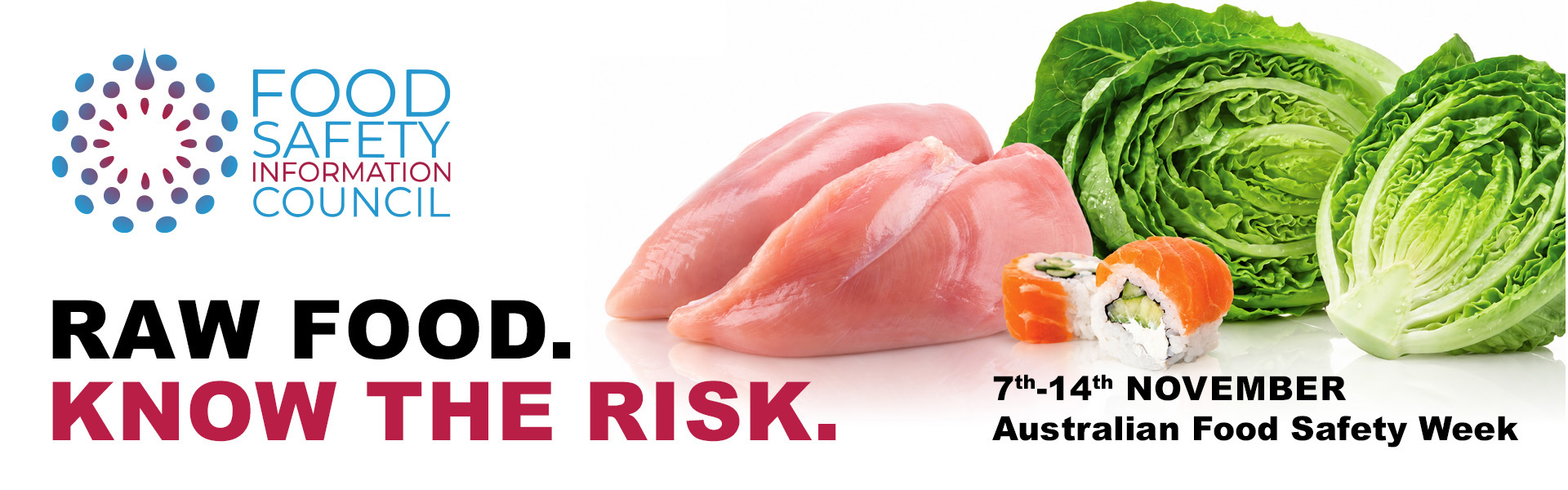
Australian Food Safety Week | 7–14 November 2026
Australian Food Safety Week will be held from 7 to 14 November 2026, encouraging Australians to take simple steps to reduce their risk of food poisoning.
Organised by the Food Safety Information Council, the annual awareness campaign promotes safe food handling and preparation practices, both at home and in the workplace.
This year’s theme, ‘Raw Food – Know the Risk’, highlights the potential dangers of eating raw or minimally cooked foods, which can increase the risk of food poisoning and parasitic infections, including toxoplasmosis.
Understanding these risks is an important part of developing good food safety practices. Whether preparing meals at home or working in a commercial kitchen, knowing how to handle, prepare and cook food safely helps protect ourselves and others.
As part of this year’s campaign, the Food Safety Information Council is sharing practical advice to help Australians reduce their risk of foodborne illness.
Cook food to a safe temperature
The Food Safety Information Council recommends the following cooking temperatures, measured at the centre of the food:
- Beef, lamb and kangaroo: Whole cuts, including chops, steaks and roasts, should reach at least 63°C (medium rare) and rest for 3–5 minutes.
- Pork: Steaks and pieces should reach 70°C, while roasts should reach between 70°C and 75°C, followed by 3–5 minutes of resting.
- Sausages, mince, poultry, rolled roasts, liver and other offal: Cook to 75°C.
- Reheated leftovers: Heat to 75°C.
- Fish fillets: Cook to 63°C or until the flesh flakes easily.
- Eggs and egg dishes: Cook to 72°C, or until the egg white is firm and the yolk has thickened.
Using a digital meat thermometer is one of the most reliable ways to check that food has reached a safe internal temperature.
To test your knowledge about safe food handling and preparation, visit the Food Safety Information Council to try their online food safety quiz.
Don’t forget fresh produce and food handling
Raw fruit and vegetables, including salad ingredients, can also carry harmful microorganisms. Always wash fresh produce thoroughly under running water before eating or preparing it.
Good hand hygiene is equally important. Wash your hands before handling food and after handling raw meat, poultry or eggs to help prevent cross-contamination.
Building food safety knowledge and skills
Community College Northern Inland (CCNI) recognises Australian Food Safety Week and the important role education and training play in preventing foodborne illness.
CCNI hospitality trainer Brodie Smith says good food safety practices are essential for protecting customers and maintaining confidence in businesses that prepare and serve food.
“Food safety is important because it keeps us and our customers safe from food poisoning and other potential dangers,” Brodie said. “We can prevent food contamination by following food safety guidelines, maintaining good hygiene and keeping our food preparation areas clean.”
Brodie believes education has an important role in developing safe food handling practices, both in the workplace and throughout the wider community.
“Food Safety Week is also important because it raises awareness in our community and workplaces, reminding everyone that we all have a responsibility to work together as a team to keep food safe.”
CCNI offers food safety training for people working in hospitality and food service environments, as well as those looking to develop skills for employment in these industries.
Information supplied by the Food Safety Information Council for Australian Food Safety Week 2026.
SUBSCRIBE TO THE NEWS
LATEST NEWS

Aprons On: Café Kick Start Turns Up the Heat at Inverell
LATEST NEWS Just do it-it can all be taught! Put your hand up and have […]
Learning Points the Way as CCNI’s Inverell Campus Celebrates Adult Learners Week
LATEST NEWS Learning Points the Way as CCNI’s Inverell Campus Celebrates Adult Learners Week Learning […]
CCNI Student Selected as Adult Learners Week Ambassador
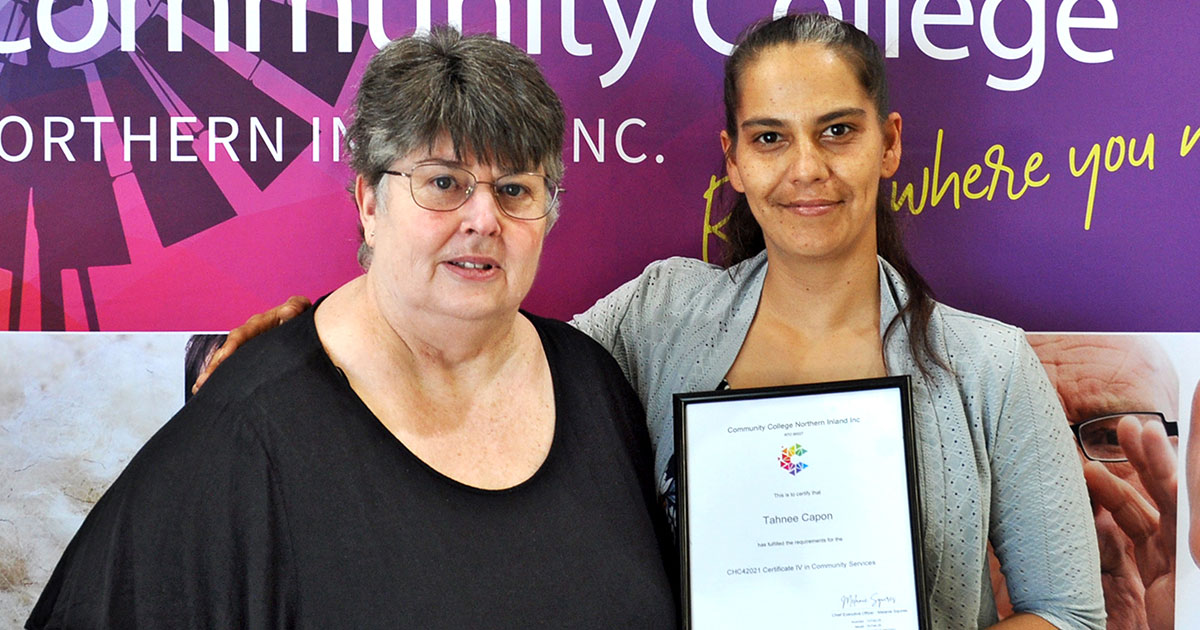
LATEST NEWS “It gave me purpose, confidence and direction.” – Tahnee Capon, 2026 Adult Learning […]